


Events Calendar
Current Weather
Natural & Cultural History
Algonquin Provincial Park lies in a transition zone between deciduous forests typical of areas to the south of the Park, and coniferous forests, more typical of areas to the north. The result is that both forest types are found, and five major habitat types are found within Park boundaries supporting a diversity in plant and animal life.
For many people visiting Algonquin Park, observing wildlife is an important part of their visit. Each year, Park Naturalists seem to get more and more inquiries on where to find specific animals or "What did I see?" questions. As a result of its larger amount of natural habitat and of its geographic placement, Algonquin Park has a rich blend of northern and southern plant and animal species.
For many wildlife watchers from areas to the south, visiting Algonquin means going 'up north' to see species that are at the southern edge of their range. These species include Moose, Eastern Wolf, Common Raven, Gray Jay, and Spruce Grouse. For visitors from the north, Algonquin is the beginning of a warmer environment, characterized by a greater composition of deciduous tree species in the forest. This in turn supports more southern species such as White-tailed Deer.
The 7,725 km2 of Algonquin Park is home to over 1,000 species of plants, including 34 species of native trees. Plus 53 species of fish, 31 species of reptiles and amphibians, 272 species of birds, 53 species of mammals, and more than 7,000 species of insects!
For may people Algonquin Park is synonymous with wildlife watching whether it is the gliding flight of a Gray Jay or a Moose wading in a beaver pond -- Algonquin is home to a wide variety of plant and animals species.
- Major Habitats Types in Algonquin Park
- Deciduous Forest
- Coniferous Forest
- Beaver Ponds
- Spruce Bogs
- Lakes and Rivers
- Astronomy
- Geology
- Plants and Fungi
- Insects
- Fish
- Amphibians and Reptiles
- Birds
- Mammals
- Cultural History
Reserve your developed or backcountry campsite for your next visit.




Share your passion for Algonquin Park by becoming a member or donor.
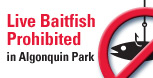
Special regulations for Algonquin's special fishery.